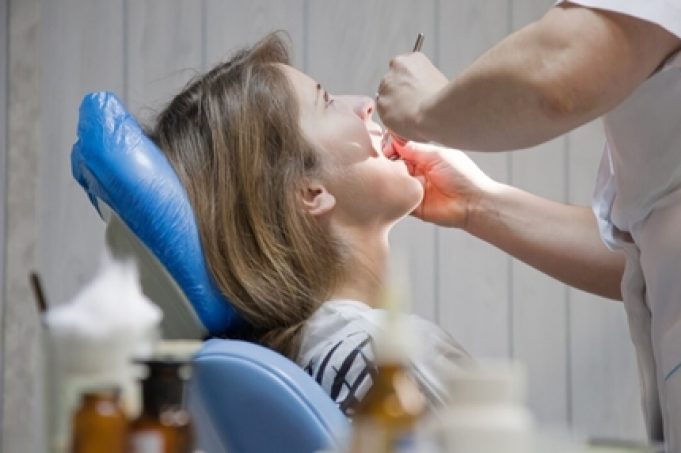
When people think of orthodontics, the first thing that comes to mind is often a straight, beautiful smile. But did you know that orthodontic treatment can also play a major role in relieving jaw pain and correcting bite problems that affect your overall comfort and oral health?
Whether you experience frequent headaches, jaw clicking, or discomfort while chewing, the root cause could be an issue with your bite alignment and that’s where orthodontics can help.

Understanding Jaw Pain and Bite Problems
Jaw pain and bite issues often stem from a condition known as malocclusion, which simply means your teeth and jaws don’t align properly. Common types of bite problems include:
- Overbite: Upper teeth overlap the lower teeth too much.
- Underbite: Lower teeth extend past the upper teeth.
- Crossbite: Some upper teeth sit inside the lower teeth when biting.
- Open bite: The upper and lower teeth don’t touch when the mouth is closed.
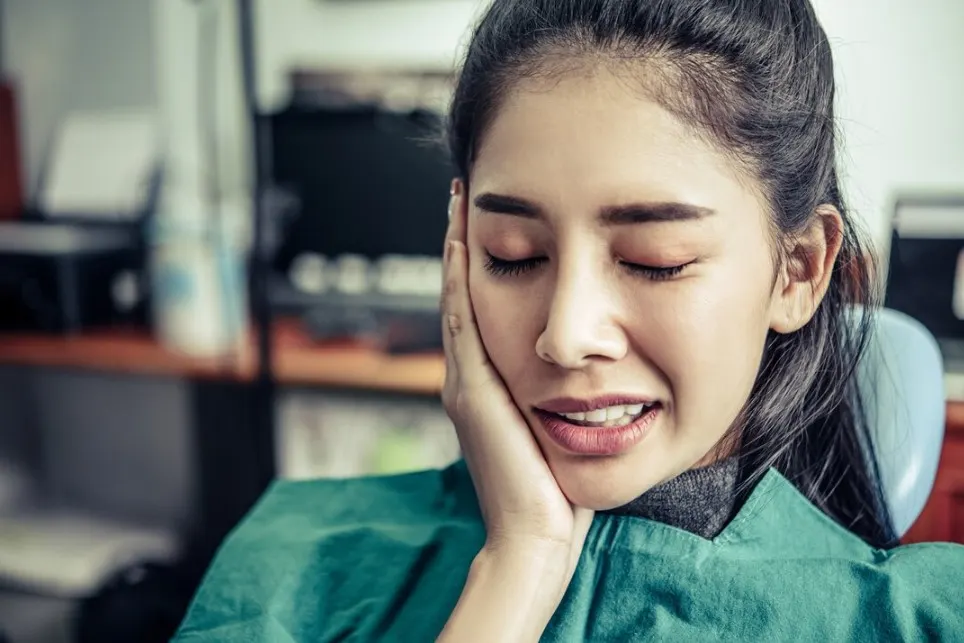
These bite irregularities can put extra strain on your jaw muscles and joints (TMJ), leading to symptoms such as:
- Jaw stiffness or soreness
- Clicking or popping sounds when opening your mouth
- Difficulty chewing or biting
- Frequent tension headaches
- Facial discomfort or uneven wear on teeth
How Orthodontic Treatment Helps
Orthodontic treatments are designed not only to straighten teeth but also to correct jaw alignment, improving both function and comfort. Here’s how orthodontics can help relieve jaw pain and bite issues:
1. Improving Bite Alignment
Braces or clear aligners gently shift your teeth into their ideal positions, ensuring that your upper and lower jaws fit together properly. This balanced bite helps distribute pressure evenly and reduces strain on your jaw joints.
2. Reducing TMJ Discomfort
When your bite is misaligned, your jaw muscles have to work harder. Orthodontic correction can help relax those muscles and relieve TMJ (temporomandibular joint) pain caused by uneven biting forces.
3. Preventing Tooth Wear and Damage
A misaligned bite often leads to teeth grinding or uneven wear. Straightening your teeth protects your enamel and helps maintain the longevity of your natural teeth.
4. Enhancing Facial Balance
In some cases, jaw misalignment can affect the shape and symmetry of your face. Orthodontic treatment can improve both function and aesthetics, giving you a more balanced facial appearance.
Types of Orthodontic Treatments for Jaw and Bite Issues
Depending on the severity of your condition, your orthodontist may recommend:
- Traditional braces – for precise control of tooth and jaw movement
- Clear aligners (Invisalign®) – a discreet option that can correct mild to moderate bite issues
- Orthopedic appliances – used in growing children to guide jaw development
- Surgical orthodontics – for severe jaw discrepancies that require jaw repositioning
Your orthodontist will perform a comprehensive assessment, including X-rays and bite analysis, to design a customised treatment plan that suits your needs.
When to See an Orthodontist
if you’re experiencing any of the following, it may be time to consult an orthodontist
- Jaw pain or stiffness that doesn’t go away
- Clicking or locking of the jaw
- Frequent headaches or neck pain
- Difficulty biting, chewing, or speaking
- Noticeable misalignment of teeth or jaw
Early diagnosis can prevent more serious issues down the road and improve both comfort and confidence.
Improving Jaw Comfort Through Orthodontic Care
Orthodontic care isn’t just about achieving a straight smile, it’s about improving your oral health, comfort, and quality of life. By addressing jaw pain and bite problems, orthodontic treatment can help restore balance, function, and confidence in your smile.
If you’re struggling with jaw discomfort or bite issues, book a consultation with your orthodontist today. Relief could be just one treatment plan away.