Helping children develop strong oral hygiene habits early sets the stage for a lifetime of healthy smiles. While most kids learn to brush effectively, flossing can be more challenging for both children and parents. Yet flossing is essential for preventing cavities, protecting gums, and supporting proper dental development as your child grows.
With a calm, supportive approach, flossing can become a simple and positive part of your child’s daily routine. At Norwest Orthodontics, we believe education and preventative care are essential, particularly during childhood, when lifelong habits are formed.
Why Flossing Matters for Children
Protecting Teeth and Gums from an Early Age
While brushing is essential, it cannot reach the narrow spaces between teeth where plaque and food debris often collect. These areas are especially vulnerable to cavities and early gum inflammation if flossing is neglected.
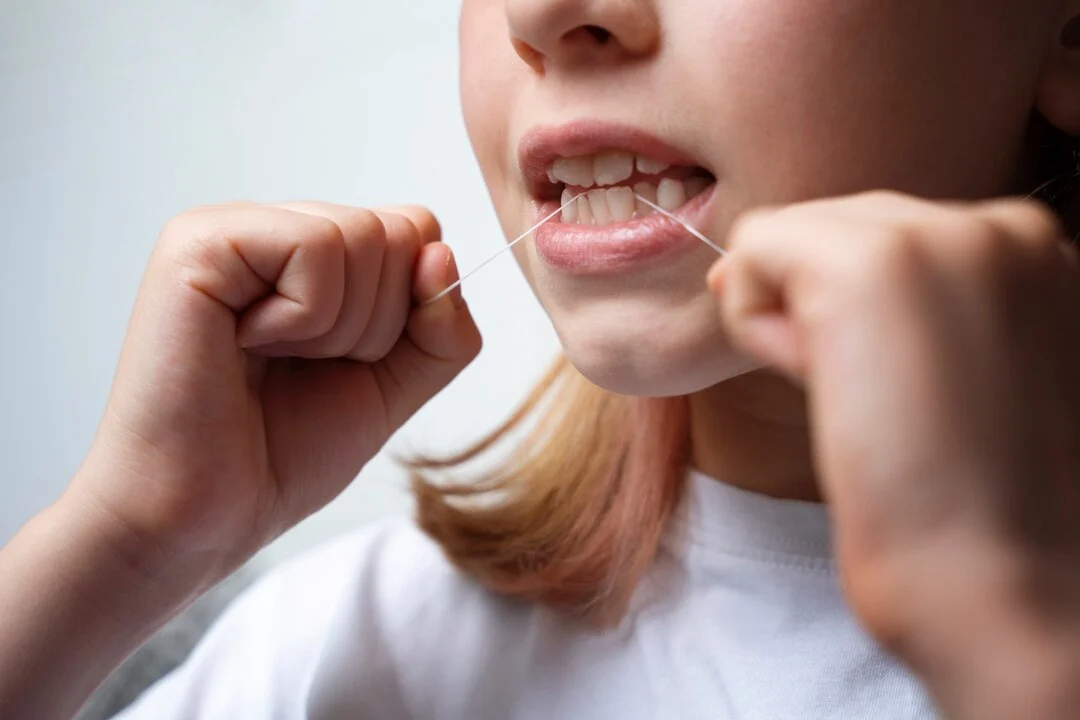
Regular flossing helps:
- Keep gums healthy and free from inflammation
- Protect baby teeth, which guide adult teeth into position
- Support overall oral health during growth and development
- Reduce the risk of cavities between teeth
Establishing proper flossing habits early can also make future orthodontic care smoother and more successful.
When Should Children Start Flossing?
Children should begin flossing as soon as two teeth touch, typically around the age of two or three. At this stage, flossing should be performed by a parent or caregiver to ensure safety and effectiveness.
As children develop better coordination, they can gradually participate in flossing, with most able to floss independently between the ages of eight and ten. Ongoing guidance during these early years helps establish proper technique, build confidence, and foster lifelong oral hygiene habits.
1. Choose Flossing Tools Designed for Children
Make Flossing Easier from the Start
Using the right tools can make a big difference. Many children find floss picks easier to handle than traditional string floss, particularly when they are still developing fine motor skills. Look for soft, child-friendly options designed specifically for small mouths.
For children with braces or other orthodontic appliances, orthodontic floss or specialised floss picks can help clean around brackets and wires more effectively.
2. Build Flossing into the Daily Routine
Consistency Without Pressure
Children are more likely to floss regularly when it feels like a normal part of the day rather than a chore. Linking flossing with brushing, at the same time each evening, creates a predictable routine.
Some families find it helpful to:
- Floss together as a family
- Use simple reward charts or positive reinforcement
- Keep the atmosphere relaxed and encouraging
The aim is consistency, not perfection.
3. Show the Correct Technique Clearly
Learning by Watching
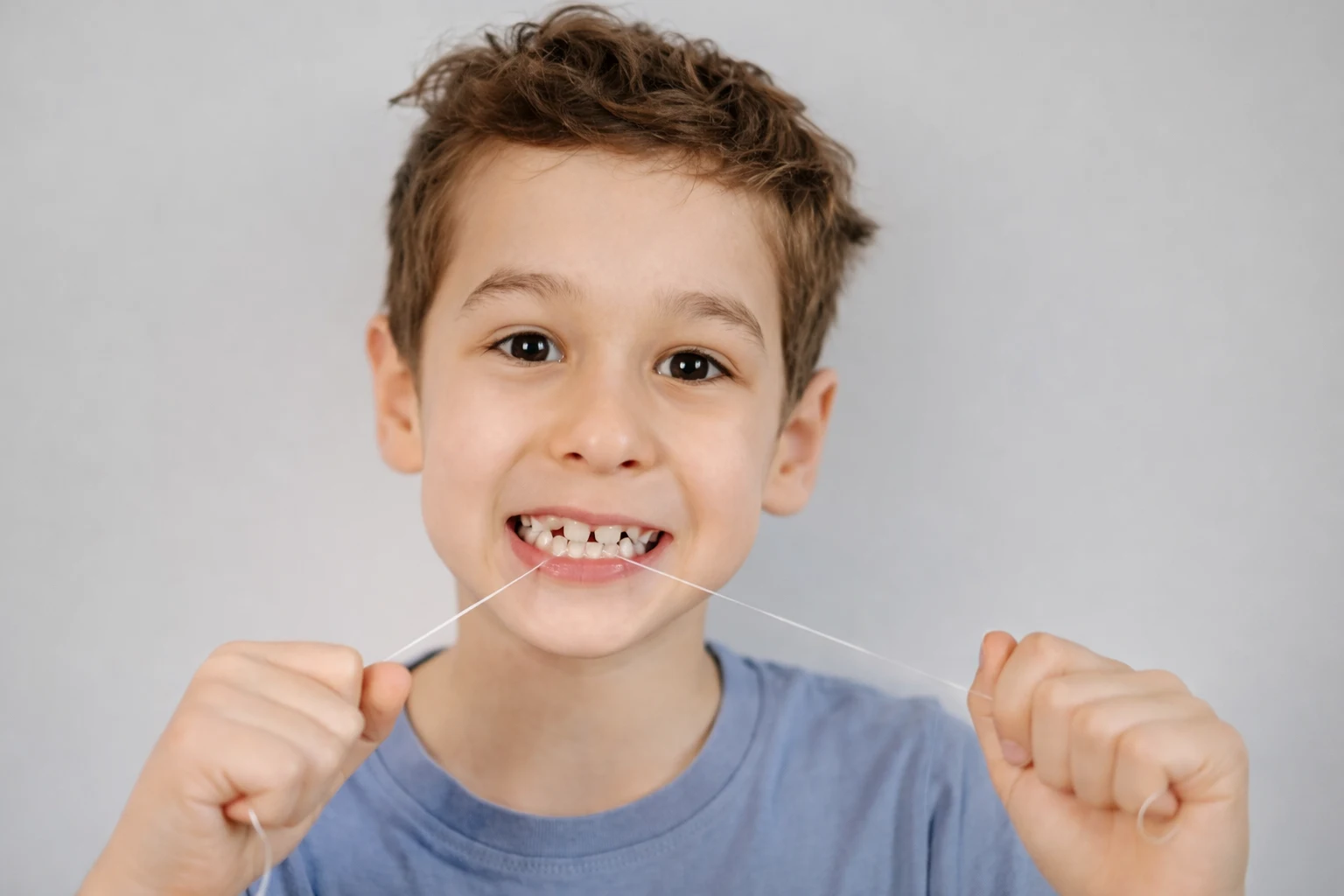
Children learn best through demonstration. Show them how to gently guide the floss between teeth, curve it around each tooth, and move it up and down to remove plaque.
Key points to reinforce:
- Use gentle pressure—never snap the floss
- Clean just below the gumline carefully
- Use a clean section of floss for each space
- Take time rather than rushing
Clear guidance early helps prevent bad habits from forming.
4. Supervise Until Confidence Develops
Support Without Taking Over
Even when children begin flossing on their own, supervision remains important. Younger children often miss areas or struggle with technique without realising it.
Offer encouragement and gentle reminders rather than correction. As confidence improves, you can gradually step back while still checking in occasionally to ensure flossing is being done effectively.
5. Adjust Flossing for Orthodontic Treatment
Extra Care for Braces and Aligners
During orthodontic treatment, flossing becomes even more important. Food trapped around brackets and wires can increase the risk of decay and white spot lesions.
Helpful tools may include:
- Floss threaders
- Orthodontic floss
- Interdental brushes
At Norwest Orthodontics, we provide personalised advice to help children and parents manage oral hygiene confidently throughout treatment.
Common Flossing Mistakes to Avoid
Parents sometimes unintentionally make flossing more difficult than it needs to be. Common issues include:
- Waiting too long to introduce flossing
- Rushing or applying too much pressure
- Skipping flossing on busy days
- Relying on brushing alone
Avoiding these habits helps keep flossing positive and effective.
Supporting Healthy Smiles for Life
Teaching your child to floss does not need to be stressful. With age-appropriate tools, clear guidance, consistent routines, and a supportive approach, flossing can become second nature.
These early habits play an important role in maintaining healthy teeth, confident smiles, and successful orthodontic outcomes well into the future.
Local Support from Norwest Orthodontics
If your child is starting orthodontic treatment or you would like personalised advice on oral hygiene, the team at Norwest Orthodontics is here to help. Our focus is on clear communication, tailored care, and supporting families at every stage of their orthodontic journey.
Frequently Asked Questions
1. How often should children floss?
A: Children should floss once daily, ideally in the evening before bed, to remove plaque from between teeth.
2. When should parents start flossing for their child?
A: As soon as two teeth touch—usually around ages two to three—parents should floss for their child.
3. At what age can children floss independently?
A: Most children develop the coordination needed between eight and ten years of age, although occasional supervision is still helpful.
4. Is flossing necessary if my child brushes twice a day?
A: Yes. Flossing cleans areas brushing cannot reach and is essential for preventing decay between teeth.
5. What floss works best for children with braces?
A: Orthodontic floss, floss threaders, and specialised floss picks are most effective around brackets and wires.
6. Can poor flossing affect orthodontic treatment?
A: Yes. Inadequate flossing can lead to decay and gum inflammation, which may affect treatment outcomes.